Diving Into Utah's Game Program

Caroline Phoenix Henry · Sat Feb 21 2026
A dive into the University of Utah's games program and what makes it stand out compared to other game development programs.
Many students apply to the University of Utah for games. Before, it was called Entertainment Arts and Engineering and was only a program out of many. Now, the Division of Games, aka Utah Games, has the #1 public undergraduate and #2 public graduate game design programs in the world according to the 2025 Princeton Review rankings. It's worth diving into Utah Games to see what makes this relatively new program so praised.
Faculty & Resources
Utah Games has faculty and staff that strive to do the best for their students. Professors in Utah Games are a mixture of academics and industry professionals as the program includes both project-based classes and theory-based classes. Professors that have worked at Avalanche Software, Lost Boys Interactive, Bungie, etc. help teach undergrad and graduate students. They have established resources like high-end PCs in Building 72, the main games building, for students to use during the building’s hours. Students can hop on and work on their projects. A motion capture lab maintained by Dr. Jose Zagel is another thing, though this requires students to make a reservation. My graduate game used the mocap lab for some animation for our main character, Pavo the Puppet. Other resources include a User Research Lab provisioned by Activision Blizzard. More can be learned here.
Guest Lecturers
Guest lectures are a great way for students to learn from professionals working or that have worked in the video game field for years. Presentations range from industry professional’s current work on triple-A games like when Lily Gardner, the lead producer on Diablo IV, did a talk in 2023, indie/small studio developers, and career advice, tips, and tricks. These are announced to Utah Games students that want to attend. Any Utah student can join, but those under Utah Games specifically are more in the know about these talks and have more flexibility with their professors if they want to attend. I remember going to a guest lecture about King Quest 1’s, released in 1984, revolutionary depth of field that made it seem like a 3D game. It set the standard for adventure games to have a foreground and background to traverse. Guest lectures happen multiple times per semester and it’s a great place to chat with professionals, learn more about a field you're interested in, and/or learn something completely new.
Alternative Controller
There is one Master’s class that is unique to Utah Games graduate students and has been featured at Games Developer Conference (GDC) and Indiecade. That class is Alternative Controller, where students have to make a controller using an Arduino that interacts with their video game instead of standard mouse and keyboards or existing console controllers. It’s a dive into mechanical engineering. My team created a compass controller that completed puzzles and directed the player by turning and would flip the player, by flipping the controller, to explore. It functioned upside down. During my time, there were two projects that went to GDC: Get Off My Lawn!, the controllers being a rocking chair, a make-shift hose to spray those that get on your lawn (in-game), and a cup to replenish energy, and Runaway Robbers, an arcade game where you press buttons that control traffic lights on a town layout to evade or help police. Indiecade judges have also come to Utah to judge alternative controllers. This trend of students submitting to competitions continues as Back Off Me Booty from 2024 won Indiecade’s Audience Choice Awards in the Night Games category. Four alternative controllers made a splash in 2025 and 2026 respectively with Rockin’ Derby becoming a 2025 Indiecade Finalist, and Pivot, Akushukai!, and Udon Uncaged making it as 2026 GDC Alt Controller finalists. Utah Games has the Alternative Controller class to challenge graduate students to make something unique and develop skills beyond typical video games.
Capstone & Thesis
Utah Games’ Capstone, the final hurdle for undergraduates, has created projects that have stepped into mainstream headlines and reviews like Your Average Bear getting a Polygon review. Games students team up with those under CS major with a Games Emphasis and work together to create their biggest game in the program. Professors chose to keep the cross-disciplinary teams to have 13-15 people in order to simulate a small studio. They don’t control what type of game students make, instead being a system for support, concerns, and questions. As this game is required to be published on Steam, Epic Games, iOS, Android, or another gaming platform of their choice, teaching assistants help lead students through creating a business LLC to setup, for many of them, their first commercial game.
Thesis games are created in a similar way but have an extra level of expectations and skill. Industry guests float through to playtest and hear about the game you're making. A great time to make connections and show off your skills.They can also be submitted in competitions later on like how my game was nominated for the Haunted House FearFest 2025, a year after I graduated.
Utah Games gives students these opportunities as having a published commercial game under your belt is the best way to stand out when it comes to the job market. Students build the skills in the job they want in the future and know how to collaborate with developers of different disciplines.
Utah Esports
I believe the biggest impact for me has been helping me grow into a leader and giving me greater foresight into my goals and future…But most importantly, I met a group of people who love esports and are willing to follow my lead. Beyond the competitive arena, I believe I gained something greater than victory itself, friendship.
"ChunBai," Utah Esports' Varsity League of Legends Head CoachUtah Games has a supportive esports (competitive video games) community within it available for all Utah students. Utah Esports is a space where students can turn their gaming hobby into varsity-level collegiate skills for tournaments with cash prizes. Students who make it onto the varsity League of Legends, Overwatch, Rocket League, or Valorant team are met with scholarships, access to high-end PCs, and coaching. There’s also a production side open to any Utah student. The only thing required is a passion to learn. This student-led live broadcasting team is a space to grow skills like casting, directing live streams, social media, marketing, and videography. Production has even expanded to hosting events like Utah Games Launch, an end-of-Spring-semester celebration stream to show off student games.
Most importantly, it’s a space for cooperation in a fast environment to build collaboration skills that can last you for a lifetime. Utah Games’ has provided the technology and support through AJ Dimick for students to have a way to take their video-game passion and turn it into portfolio pieces.
I didn’t start Utah Esports. Students did. This exists because of students like Angie Klingsieck, Sam Morris, Kyle Vest and Logan Brown. Collegiate esports is a by students, for students thing. That will never change. And my role is to advocate, to push, to grind and clear the way so they can do their thing.
AJ Dimick, Utah Esports DirectorUtah Games has always had the goal to grow since its inception. Under the College of Architecture and Planning, it has had the opportunity for more funding to spend on tenured professors, which I participated as a student representative in the hiring process, better high-end PCs available for students to work at, and expanded space with graduate students moving into a more spacious room downtown. This combined with the program’s faculty and staff listening to students’ concerns and, most importantly, acting to meet their needs is what makes them the #1 undergrad and #2 graduate game development program. Utah Games has come a long way to become the leading figure in what game development in academia looks like.

Articles by Caroline

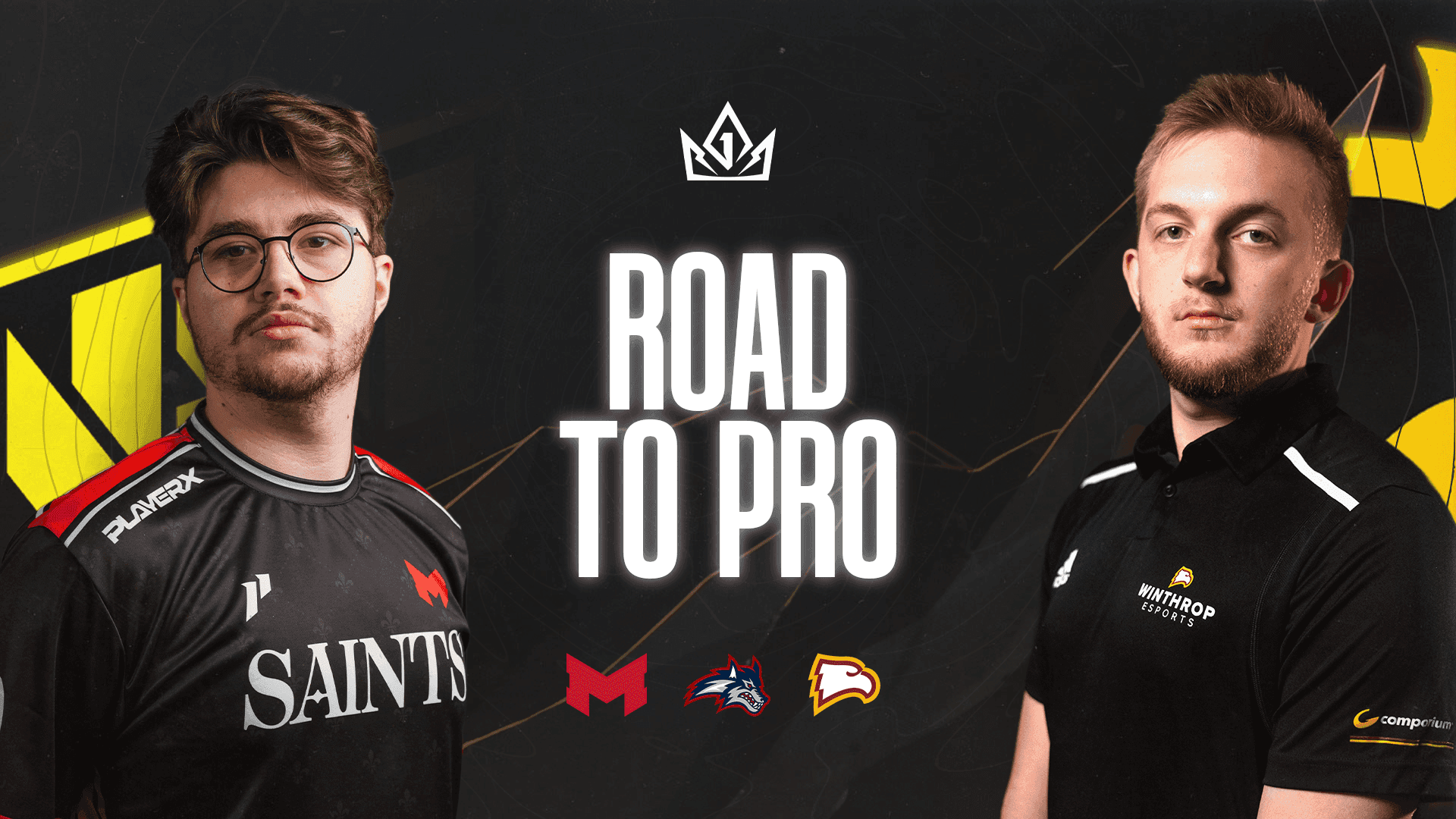
DivisionONE's First Pro Class: Six Signings and a Shot at the LCS
By Caroline Henry · Wed Sep 23 2026
A recap of all of the players in DivisionONE's first year that have gone pro and where they currently are now, and a brief look at Maryville's recent League of Legends Promotional Tournament qualification.

Articles like this
DivisionONE's First Pro Class: Six Signings and a Shot at the LCS
By Caroline Henry · Wed Sep 23 2026
A recap of all of the players in DivisionONE's first year that have gone pro and where they currently are now, and a brief look at Maryville's recent League of Legends Promotional Tournament qualification.
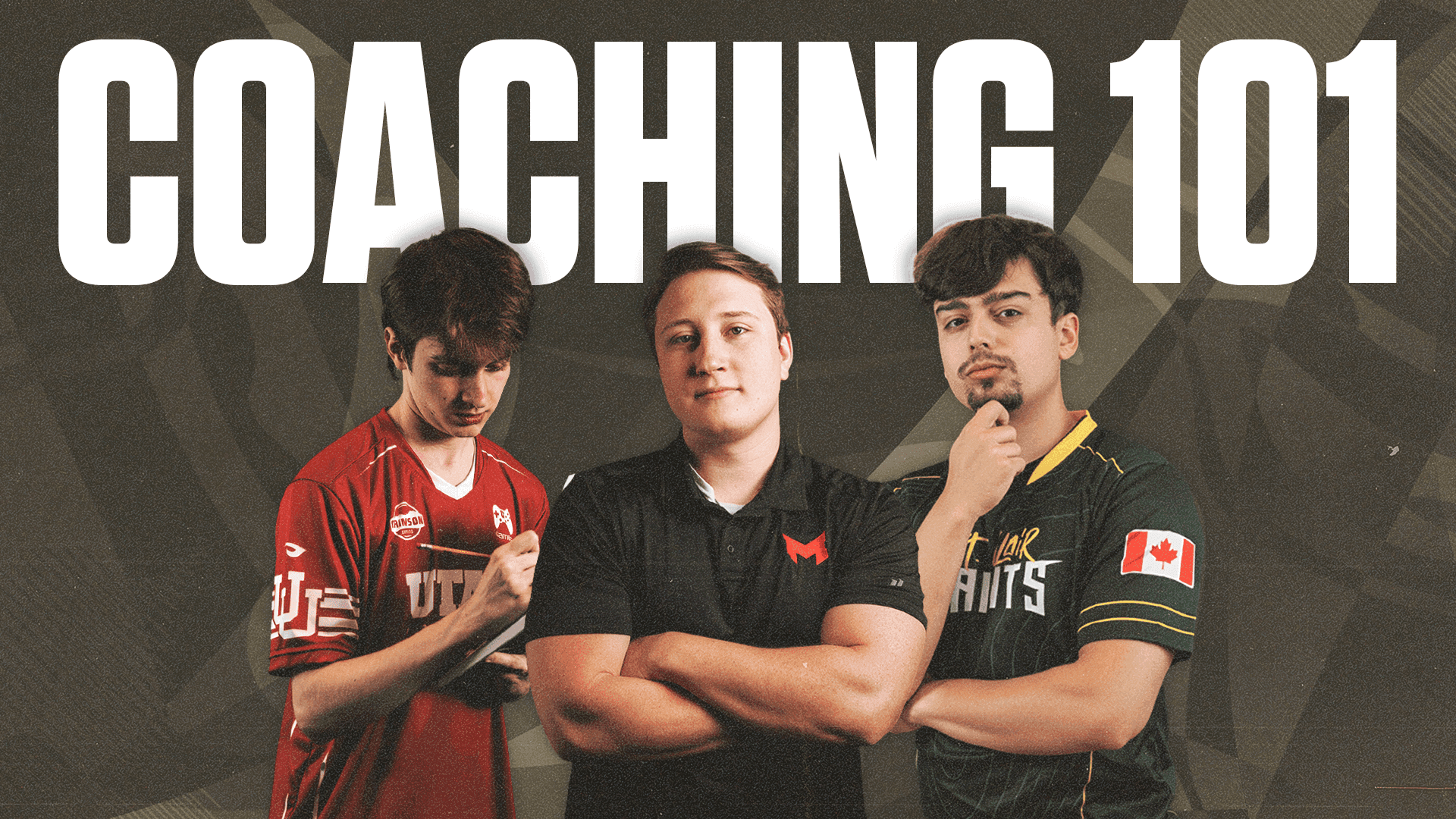
The Importance of Coaching in Collegiate Esports
By Alexavier Alvarez · Sun May 10 2026
An inside look at the role coaching plays within Division ONE esports, from strategy and VOD review to player management and team culture. Featuring perspectives from coaches across VALORANT and League of Legends, this article explores the challenges of building competitive collegiate programs and the work that happens behind the scenes long before match day begins.
The Division ONE Awards
By Alexavier Alvarez · Wed May 06 2026
A full year of Division ONE competition came down to this. From undefeated championship runs to breakout performances and dramatic turnarounds, these awards recognize the teams and players that defined the 2025–2026 collegiate esports season across VALORANT and League of Legends