2 minute read
The Importance of Coaching in Collegiate Esports
Alexavier Areku Alvarez · Sun May 10 2026
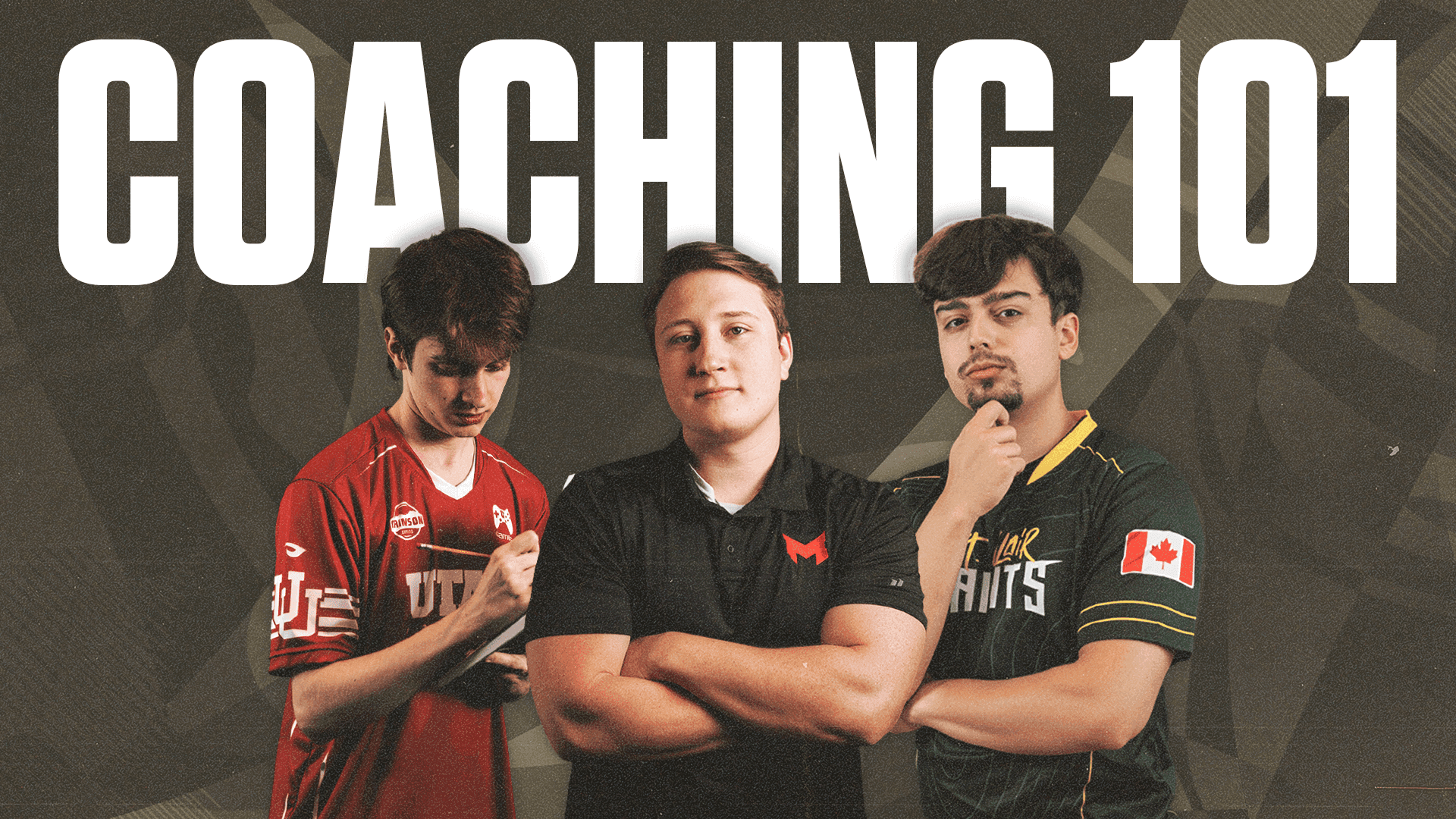
An inside look at the role coaching plays within Division ONE esports, from strategy and VOD review to player management and team culture. Featuring perspectives from coaches across VALORANT and League of Legends, this article explores the challenges of building competitive collegiate programs and the work that happens behind the scenes long before match day begins.
In collegiate esports, results are usually the only thing people see. Wins, losses, standings. What often goes unnoticed is everything happening behind the scenes, the preparation, structure, and player management required to keep a team functioning throughout a season.
At the Division ONE level, coaching is not just about strategy. It is about building systems, developing players, and creating environments where teams can improve consistently over time.
Unlike professional esports, collegiate teams are often made up of players with different levels of experience, limited practice time, and responsibilities outside the game. That reality changes the role of a coach entirely. Instead of only focusing on gameplay, coaches are also responsible for communication, discipline, team culture, and long-term development.
For University of Utah VALORANT head coach Kalamari, everything starts with trust and communication within the team.
“The Number one thing before anything else is building a system of strong communication and trust between each member of the team and the staff.”
KalamariThat foundation becomes especially important in collegiate environments, where players are often newer to organized competition and still learning how to operate within a structured team system. Coaches are not only teaching strategy, but also helping players understand how to communicate, adapt, and work through disagreements during a long season.
St. Clair League of Legends head coach Matty described roster building in a similar way. Rather than simply looking for the most individually talented players, the focus becomes finding the right combination of personalities and playstyles that can function together long term.
Once a roster is established, the real work begins. Communication systems, practice structure, and consistency all have to be developed over time.
For most collegiate programs, balancing that development with limited practice time is one of the biggest challenges. Players are students first, meaning scrims, review sessions, and official matches all have to fit around academic schedules.
At Utah, practice usually takes place only a few days outside of official matches, forcing every scrim and VOD review session to have a clear purpose. Even preparation itself becomes more difficult in collegiate esports, where scouting resources are far more limited than in professional leagues.
Utah relies heavily on public tools like Valorant Tracker, VOD analysis, and match history to prepare for opponents and develop anti-strategies before matches. For Matty, scouting often comes down less to available resources and more to how much effort a coaching staff is willing to put into finding information.
“Most teams will usually have data to find somewhere, it’s usually about how hard you want to dig for it if it’s not publicly available.”
MattyAt the top level of Division ONE, however, the challenge changes. For programs like Maryville, the focus is no longer simply on improvement, but on maintaining success over the course of an entire season without exhausting players mentally.
Coaching in esports is unique because you have to deal with the serious threat of burnout. Pushing your players too hard, or having them practice too vigorously will lead to burnout and completely derail a team's season. In other ways it is similar, I like to use traditional punishments like running, or showing up early to help players learn concepts about the game, and life principles.
NilesThat balance becomes even more important in collegiate esports, where players are balancing competition alongside academics and personal responsibilities. Despite that, elite programs still maintain demanding schedules. Maryville regularly practices close to 25 hours a week across six days of scrims, maintaining the level of preparation expected from one of the strongest programs in the league.
Coaching also extends far beyond mechanics alone. While players can often improve their own aim or individual skill independently, coaches focus more heavily on team-wide patterns, communication, and decision making.
For Matty, review sessions rarely focus on isolated individual mistakes. Instead, the emphasis is placed on identifying repeated scenarios and correcting the patterns leading to them.
The one thing I almost never look at is individual mistakes, it's about team mistakes and the patterns leading up to it. Practice can be pointless unless you find and figure out patterned scenario's you can replicate on game days, which is what we focus on trying to do.
MattyKalamari approaches the game similarly in VALORANT, focusing more on helping players understand the bigger picture of the game rather than only refining mechanics. In tactical esports especially, communication, spacing, timing, and coordinated utility usage often matter more than raw individual skill.
Alexavier Areku Alvarez
Articles by Alexavier

The Division ONE Awards
By Alexavier Alvarez · Wed May 06 2026
A full year of Division ONE competition came down to this. From undefeated championship runs to breakout performances and dramatic turnarounds, these awards recognize the teams and players that defined the 2025–2026 collegiate esports season across VALORANT and League of Legends



Utah enters Division ONE playoffs as a dangerous dark horse
By Alexavier Alvarez · Sun Mar 15 2026
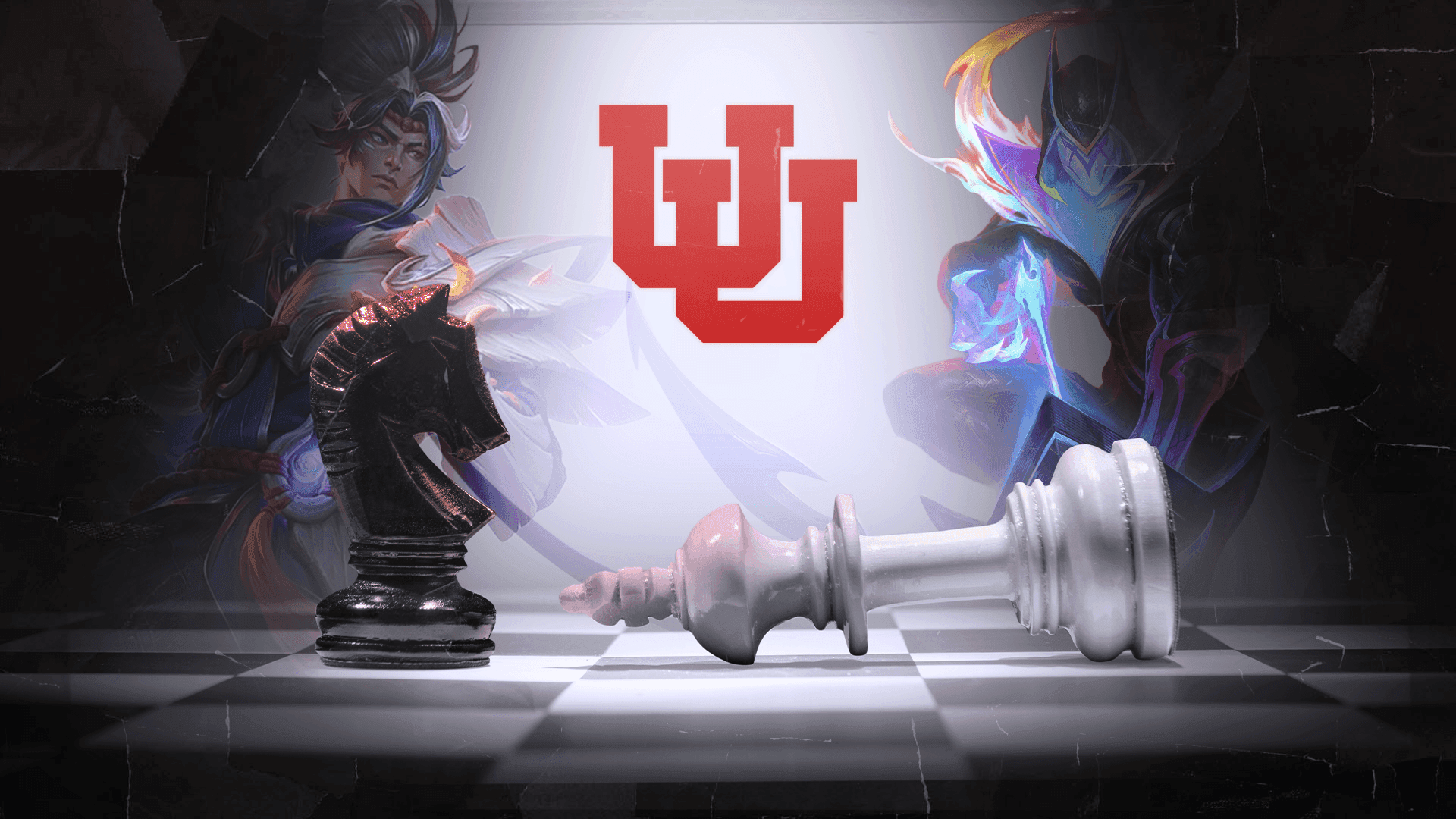
Description for the article.A 2–6 record and the final playoff seed might not tell the full story of Utah’s season. In an interview, top laner AN4RWHAL discusses the roster challenges that shaped the split and why the team could still be a dangerous dark horse.
Articles like this
DivisionONE's First Pro Class: Six Signings and a Shot at the LCS
By Caroline Henry · Wed Sep 23 2026
A recap of all of the players in DivisionONE's first year that have gone pro and where they currently are now, and a brief look at Maryville's recent League of Legends Promotional Tournament qualification.